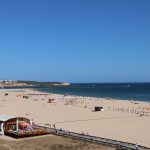

A complete fourteen-day Greek itinerary serves as a structured logistical blueprint designed to maximise exploration throughout each the Hellenic mainland and the Aegean archipelago. This kind of useful resource systematically organizes a fortnight of journey, balancing visits to world-renowned historic monuments such because the Acropolis in Athens with island locations like Santorini, Naxos, or Crete. By detailing day by day schedules, ferry routes, and regional highlights, such a doc transforms an intensive listing of cultural and geographical websites into a transparent, executable journey.
Using a biweekly planning framework affords distinct benefits, primarily offering enough time to expertise regional range with out forcing a very rushed tempo. Traditionally, exploring the Greek world required months of arduous sea and overland journey, a normal set throughout the classical journey traditions of the eighteenth and nineteenth centuries. In fashionable occasions, a structured two-week timeline strikes a really perfect stability, permitting vacationers to soak up hundreds of years of architectural historical past, distinct culinary traditions, and different coastal ecosystems inside a single, manageable trip interval.
Executing an environment friendly fortnight-long journey requires consideration to key logistical components, together with seasonal ferry availability, inter-island flight choices, and lodging reserving home windows. The next sections study the important elements of a profitable two-week journey, detailing optimum geographical routes, transportation connections, and important cultural stops to make sure a seamless Mediterranean expertise.
2 weeks in greece journey information
A structured two-week itinerary for exploring Greece features as an important planning software, reworking complicated journey logistics into an organized and environment friendly blueprint. Understanding the foundational components of such a useful resource ensures optimum time administration and an enriched journey throughout historic and fashionable landscapes.
- Island Hopping Route Optimization
- Classical Archaeological Web site Choice
- Native Ferry and Transit Scheduling
- Seasonal Lodging Planning Methods
- Regional Culinary and Cultural Highlights
- Finances Allocation and Expense Monitoring
Integrating these core facets ensures a seamless journey by historic mainland ruins like Delphi and iconic islands like Santorini. Correct transit scheduling connects high-speed ferries with inland transport, avoiding widespread delay traps. Moreover, balancing cultural exploration with strategic funds planning permits vacationers to expertise genuine regional gastronomy and landmark points of interest whereas sustaining monetary predictability all through a fortnight-long Mediterranean tour.
Island Hopping Route Optimization
Island hopping route optimization kinds the spine of an efficient 2 weeks in greece journey information, as maritime geography dictates the tempo and feasibility of transferring between locations. Greece accommodates over 200 inhabited islands grouped into distinct archipelagos, every separated by various sea distances and transit networks. With out strategic route planning, precious time is misplaced to inefficient ferry transfers, backtrack port visits, and sudden climate delays. Organizing island visits by geographic proximity and maritime connectivity ensures {that a} fortnight-long journey yields most exploration time slightly than administrative delays at ports.
- Geographic Archipelago ClusteringDeciding on islands inside a single geographical clustersuch because the Cyclades, the Dodecanese, or the Ionian groupprevents extreme transit durations. As an illustration, touring between neighboring Cycladic islands like Paros, Naxos, and Santorini requires just one to 2 hours per ferry leg. In distinction, trying to cross from the Cyclades to the Sporades inside a brief timeframe introduces multi-leg ferry journeys and obligatory mainland connections, consuming whole days in transit.
- Vessel Choice and Climate ContingenciesBalancing high-speed catamarans with typical passenger ferries straight influences itinerary reliability. Excessive-speed craft considerably scale back journey occasions between ports, but these vessels are extremely inclined to delays or cancellations throughout the summer season Meltemi winds. Typical ferries provide larger stability in tough seas and decrease ticket prices, making a mixed-vessel technique important for sustaining a strict two-week schedule with out extreme disruptions.
- Open-Jaw Logistics and Hub IntegrationStructuring a linear transit path eliminates the inefficiency of returning to the unique level of entry. A well-designed 2 weeks in greece journey information typically incorporates open-jaw flightsarriving at Athens Worldwide Airport and departing straight from an island with a world airport, similar to Santorini, Mykonos, or Crete. This unidirectional movement eliminates the necessity for a last, redundant sea voyage again to the Port of Piraeus.
- Seasonal Maritime Schedule AlignmentFerry operator timetables fluctuate drastically based mostly on the month of journey. Throughout peak summer season months, day by day connections exist between main and minor islands, whereas shoulder seasons function decreased sailings and decreased vessel capability. Aligning route selections with energetic seasonal schedules prevents vacationers from changing into stranded on islands with restricted midweek departures.
Mastering these transit variables converts an bold island-hopping idea into an executable, life like schedule. Correct route optimization maximizes time on land, permits for deep cultural engagement, and ensures {that a} complete two-week Greek journey operates easily from begin to end.
Classical Archaeological Web site Choice
A complete 2 weeks in greece journey information requires cautious prioritization of historic websites, as hundreds of years of human civilization have left hundreds of ruins throughout each the mainland and islands. Deciding on classical archaeological areas calls for a stability between historic significance, geographic proximity, and whole out there journey time. With out curated website choice, an itinerary dangers changing into logistically burdensome, with substantial hours spent in transit between distant ruins slightly than participating straight with historic historical past.
- Geographic Clustering of Mainland RuinsConcentrating archaeological visits inside outlined geographic clusters prevents extreme journey occasions throughout the mountainous Greek terrain. A well-organized 2 weeks in greece journey information regularly teams websites throughout the Peloponnese regionsuch as Historic Corinth, Mycenae, and Epidauruswhich could be accessed sequentially from a single base like Nafplio. This spatial effectivity permits for the examination of Bronze Age and Classical engineering achievements on consecutive days with out incurring lengthy drives throughout the nation.
- Chronological Interval IllustrationCurating websites from distinct historic epochs offers a balanced structural overview of historic Hellenic civilization slightly than repeating a single period. Incorporating Classical Athenian monuments, such because the Parthenon, alongside Bronze Age Minoan constructions just like the Palace of Knossos in Crete or Mycenaean citadel partitions exposes structural modifications over time. Detailing different eras inside a 2 weeks in greece journey information demonstrates the evolution of architectural strategies, non secular sanctuaries, and civic planning throughout centuries.
- Web site Entry Logistics and Entry AdministrationManaging operational constraints is crucial when integrating main historic landmarks into a hard and fast fortnight schedule. Key areas, together with the Acropolis of Athens and the oracle sanctuary at Delphi, implement seasonal working hours and make the most of timed-entry reservation methods to regulate crowd density. Aligning arrival occasions with early morning or late afternoon entry slots protects the general itinerary from prolonged ticketing delays and extreme noon warmth, maintaining day by day transit schedules intact.
- Practical and Structural Web site VarietyDeciding on websites that served distinct features in antiquityranging from administrative facilities and athletic complexes to therapeutic sanctuaries and theatersbroadens historic understanding. Together with Historic Olympia highlights classical Panhellenic athletic establishments, whereas the theater at Epidaurus illustrates superior acoustic engineering and spiritual therapeutic cults. Distributing these different useful website varieties throughout a 2 weeks in greece journey information ensures that archaeological visits stay intellectually distinct and fascinating all through the journey.
Strategic collection of classical archaeological websites elevates a fourteen-day journey from a normal trip into an environment friendly historic survey. By evaluating monuments based mostly on geographic location, chronological selection, and entry logistics, a 2 weeks in greece journey information optimizes transit intervals whereas offering a complete examination of historic Mediterranean historical past.
Native Ferry and Transit Scheduling
Native ferry and transit scheduling serves because the operational spine of an efficient 2 weeks in greece journey information, straight figuring out the feasibility and movement of motion throughout the Aegean and Ionian seas. Greeces geographical dispersion requires exact synchronization between maritime sailings, regional buses, trains, and flight transfers. And not using a rigorous understanding of transit logistics, a two-week itinerary dangers structural failure by missed connections, extreme port ready occasions, or full isolation brought on by adversarial maritime situations. Masterful integration of native transit schedules ensures that precious journey time is preserved for cultural exploration slightly than spent navigating logistical bottlenecks.
- Seasonal Timetable FluctuationsFerry operator schedules in Greece range dramatically based mostly on the time of 12 months, straight impacting the viability of particular island mixtures. Throughout peak summer season months from June to August, day by day high-speed and standard vessels join main islands a number of occasions per day. Conversely, throughout shoulder and off-peak seasons, crusing frequency drops considerably, and secondary routes could function solely twice weekly. Incorporating these seasonal variances right into a 2 weeks in greece journey information prevents island-hopping itineraries from breaking down as a result of non-existent mid-week connections.
- Multi-Modal Transit SynchronizationNavigating between mainland archaeological websites and island archipelagos necessitates seamless transitions between distinct transportation modes. A well-planned transit schedule aligns public KTEL bus networks, suburban railways, and harbor arrival occasions, similar to connecting Athens Worldwide Airport on to the Port of Piraeus or Rafina. Establishing cheap switch margins and understanding interchange factors throughout public networks ensures steady motion by complicated transit chains with out requiring pricey non-public transfers.
- Climate Disruptions and Buffer PlanningRobust Aegean summer season winds, often known as the Meltemi, regularly set off coast guard crusing bans, notably affecting small catamarans and high-speed hydrofoils. A resilient 2 weeks in greece journey information embeds designated buffer intervals into transit plans, prioritizing bigger, typical automobile ferries for long-distance water crossings throughout windy intervals. Constructing versatile gaps earlier than important connections, similar to long-haul worldwide flights out of Athens, mitigates the cascading affect of sudden climate delays.
- Advance Reserving and Ticketing LogisticsSecuring passenger tickets and automobile areas properly forward of journey dates is essential for sustaining mounted dates inside a compressed two-week timeframe. Excessive-demand routes, similar to Athens to Mykonos or Santorini to Naxos, promote out weeks prematurely throughout excessive season. Leveraging central reservation methods and understanding fashionable digital check-in protocols streamlines terminal procedures, permitting fast boarding and exact adherence to deliberate day by day journey agendas.
Navigating the complexities of native ferry and transit scheduling converts theoretical journey plans into an operational actuality. By accounting for seasonal schedule modifications, multi-modal transfers, climate dangers, and advance reserving mechanics, a complete 2 weeks in greece journey information secures a dependable and environment friendly journey throughout the Hellenic panorama.
Seasonal Lodging Planning Methods
Seasonal lodging planning methods straight affect the logistical feasibility and monetary predictability of a 2 weeks in greece journey information. Excessive demand fluctuations throughout the Hellenic republic divide the calendar into distinct operational home windows, starting from the packed peak summer season months of July and August to the quieter shoulder intervals of Might, June, September, and October. And not using a structured lodging technique aligned with these seasonal cycles, a fourteen-day itinerary dangers extreme compromises, similar to compelled route detours, substandard lodging, or exorbitant room charges in high-density areas like Santorini, Mykonos, and central Athens. Integrating exact lodging forecasting into the broader journey framework ensures that nightly stays correspond logically with ferry departures, regional highway transit, and scheduled archaeological visits.
Sensible software of those methods requires adjusting reserving timelines and geographic targets based mostly on the chosen time of 12 months. In the course of the peak summer season season, main island locations regularly implement multi-night minimal keep necessities and expertise near-total occupancy months prematurely. Securing central lodging close to main ports, similar to Piraeus or Paroikia in Paros, six to 9 months previous to departure prevents logistical isolation and expensive last-minute shifts in transit routes. Conversely, exploring Greece throughout the shoulder season permits for larger operational flexibility, decrease nightly charges, and decreased minimum-stay limitations. This flexibility permits vacationers to include secondary island locations or mainland hubs like Kalambaka close to Meteora with out risking stock shortages or inflated reserving prices.
Finally, synchronizing lodging selections with seasonal realities establishes the foundational stability needed for a seamless fortnight journey. Addressing challenges similar to peak-season worth inflation, minimum-stay constraints, and seasonal property closures safeguards the journey funds whereas defending day by day schedules. Complete lodging planning converts a high-level territorial map into an executable operational plan, guaranteeing {that a} complete two-week Greek exploration maintains its momentum, consolation, and structural integrity from arrival to departure.
Regional Culinary and Cultural Highlights
Integrating regional culinary and cultural highlights right into a fourteen-day journey construction establishes an important hyperlink between historic monument exploration and up to date Hellenic life. Greece possesses various microclimates, agricultural methods, and localized traditions that modify considerably between mainland mountain areas like Epirus and arid archipelagos just like the Cyclades. Aligning gastronomic experiences and native heritage websites with day by day transit routes ensures that journey time yields an genuine understanding of distinct regional identities slightly than standardized vacationer choices.
- Geographic Gastronomic VarietyGreek culinary traditions rely closely on localized agricultural manufacturing, creating distinct foodways throughout totally different geographical zones. In Crete, wild greens, mountainous herbs, and sheep milk cheeses like mizithra outline the food regimen, whereas volcanic Cycladic islands similar to Santorini concentrate on drought-resistant crops like fava yellow break up peas and capers. Incorporating these regional dishes into particular day by day schedules ensures that meal picks mirror the agricultural actuality of every vacation spot visited throughout a two-week journey.
- Vernacular Structure and Residing HeritageCultural engagement extends past historic ruins to incorporate vernacular structure and surviving artisan traditions. The whitewashed cubic structure of the Aegean islands presents a stark structural distinction to the fortified stone tower homes of the Mani peninsula or the Byzantine influences seen in northern mainland settlements. Scheduling stops at native olive oil presses, pottery workshops, and preserved historic villages exposes vacationers to the evolutionary continuum of Greek craft and group design.
- Seasonal Spiritual and Folks Gathering AlignmentGroup feast days, identified regionally as panigiria, provide direct entry to genuine rural customs, folks music, and communal eating traditions. Held in village squares to honor patron saints, these occasions happen all year long, with peak focus throughout the summer season months. Integrating these localized gatherings right into a journey route transforms customary transit days into deep cultural interactions, offering perception into social constructions which have sustained rural communities for hundreds of years.
- Viticultural Terroir and Agricultural ExplorationGreece maintains steady winemaking traditions courting again hundreds of years, characterised by historic indigenous grape varieties tailored to particular microclimates. The volcanic soil of Santorini produces high-acidity Assyrtiko, whereas the high-altitude vineyards of Nemea within the Peloponnese produce sturdy Agiorgitiko crimson wines. Embedding winery visits and olive grove excursions into day by day driving routes grounds summary historic data in direct, hands-on publicity to conventional land administration and fashionable agricultural strategies.
Systematically pairing day by day transit schedules with regional culinary and cultural highlights ensures a wealthy, multi-dimensional journey throughout Greece. Balancing visits to world-renowned classical websites with genuine native gastronomy, conventional structure, rural festivals, and agricultural traditions offers a complete framework that connects historic Hellenic historical past with the dynamic actuality of present-day Greek tradition.
Finances Allocation and Expense Monitoring
Monetary management serves as a foundational pillar inside a fourteen-day Greek journey framework, straight influencing the scope and execution of multi-destination itineraries. With out structured funds allocation, sudden expenditures in regional transport, high-season lodging, and cultural entrance charges can prematurely deplete sources, forcing restrictive alterations mid-journey. Allocating baseline capital throughout main price categoriesspecifically inter-island ferry transfers, mainland automobile leases, and stuck lodging chargesensures that monetary liabilities stay balanced all through the complete trip interval. For instance, high-speed catamaran tickets throughout the Cycladic community regularly price between 70 and 110 per particular person leg, which, when mixed with multi-site historic entry passes, kinds a major non-negotiable expense that should be deliberate for previous to departure.
Systematic monitoring of energetic expenditures offers real-time oversight, stopping minor day by day overages from accumulating into main monetary pressure. In Greece, day by day operational prices fluctuate based mostly on geographical selections and seasonal demand spikes; peak summer season resort charges in Santorini or Mykonos can exceed shoulder-season costs by as much as 200 %. Making use of real-time monitoring methodssuch as categorizing day by day spending into transportation, lodging, culinary experiences, and incidental charges like native local weather resilience leviesenables vacationers to regulate discretionary spending dynamically. This monetary consciousness protects emergency reserves designated for sudden bills, similar to extreme climate delays that necessitate unscheduled port stays.
Integrating disciplined funds allocation with steady expense monitoring transforms an bold fortnight-long journey right into a sustainable, well-managed operational endeavor. Addressing monetary challenges early mitigates dangers related to seasonal worth fluctuations, sudden transit route modifications, and unplanned logistical charges. Finally, exact financial management ensures that focus stays on cultural immersion and historic discovery slightly than monetary instability, safeguarding the general structural integrity of the Mediterranean expertise.
Ceaselessly Requested Questions
Navigating the operational, monetary, and logistical facets of a fourteen-day journey to Greece requires addressing widespread inquiries concerning transit timing, budgeting, and island choice. The next part clarifies important journey concerns to make sure a well-structured itinerary.
Query 1: What’s the optimum time of 12 months to execute a fourteen-day Greek itinerary?
Might, June, September, and October symbolize the best operational home windows. These shoulder months ship nice climate, energetic ferry schedules, and decreased crowd density in comparison with peak summer season, whereas avoiding excessive warmth and inflated lodging prices.
Query 2: What number of islands can realistically be visited inside a two-week timeframe?
Limiting the choice to 3 or 4 islands alongside Athens ensures a sustainable journey tempo. Incorporating greater than 4 islands inside fourteen days will increase transit fatigue, elevates the affect of potential climate delays, and restricts exploration time at every location.
Query 3: Is automobile rental needed for navigating by Greece?
Automotive leases are extremely useful for exploring mainland areas just like the Peloponnese and Meteora, in addition to bigger islands similar to Crete or Naxos. Conversely, central Athens and smaller Cycladic islands are effectively navigated utilizing public buses, ferries, and arranged transit networks.
Query 4: Ought to inter-island ferry tickets be reserved prematurely?
Advance ticketing is crucial, notably for journey occurring between June and September. Excessive-speed passenger routes and automobile slots regularly attain capability weeks prematurely, making pre-booked transport very important for sustaining a hard and fast timeline.
Query 5: What baseline funds is required for a fortnight-long Greek tour?
Expenditures rely on season and lodging preferences. A practical mid-range funds protecting regional transport, ferry routes, archaeological entry charges, and regional eating sometimes ranges between 2,000 and 4,000 EUR per individual, excluding worldwide airfare.
Query 6: How can sudden ferry cancellations as a result of unhealthy climate be mitigated?
Constructing buffer intervals into the schedule, notably scheduling a last return night time in Athens previous to departure flights, prevents missed connections. Moreover, prioritizing bigger typical ferries over high-speed catamarans throughout windy situations minimizes the danger of weather-related cancellations.
Resolving these basic queries offers larger readability concerning sensible expectations, enabling environment friendly scheduling and efficient funds administration all through the planning course of.
With important logistical concerns addressed, consideration shifts to synthesizing these pointers into actionable journey methods for an optimum Hellenic journey.
Logistical Suggestions for a Fortnight-Lengthy Greek Itinerary
Executing an environment friendly fourteen-day journey throughout Greece requires actionable strategies to streamline transit, handle monetary commitments, and reduce operational friction. The next suggestions present strategic measures to optimize schedule efficiency and historic exploration.
Tip 1: Prioritize Single-Archipelago Island Clusters. Limiting island visits to a single geographical group, such because the Cyclades or the Saronic Gulf, minimizes sea transit hours. Trying to bridge distant island chains introduces complicated multi-leg ferry journeys and consumes full days in transit, lowering precious exploration time on land.
Tip 2: Set up Buffer Intervals Earlier than Worldwide Flight Departures. Returning to the mainland no less than twenty-four hours previous to a world flight protects the itinerary in opposition to maritime cancellations brought on by excessive summer season Meltemi winds. Coastal guard climate holds regularly delay smaller catamarans with out prior discover.
Tip 3: Buy Archaeological Mixture Tickets in Advance. Using multi-site entry passes for central historic areas, such because the Acropolis and surrounding historic websites in Athens, reduces time spent in ticketing queues. Pre-booking entry slots throughout peak operational months secures entry throughout optimum early morning hours.
Tip 4: Choose Typical Passenger Ferries for Prolonged Sea Crossings. Choosing bigger, typical vessels over high-speed hydrofoils offers larger crusing stability in tough seas and lowers general transportation prices. These bigger ships function with greater reliability throughout adversarial climate situations.
Tip 5: Align Mainland Driving Routes with Rural Regional Relaxation Stops. Renting a automobile for mainland explorations like Delphi and Meteora permits for direct entry to smaller agricultural cities, avoiding inflated industrial pricing close to main historic monuments whereas offering publicity to genuine regional delicacies.
Tip 6: Reserve Excessive-Demand Lodging Close to Central Transit Hubs. Reserving properties inside brief strolling distances of main ports or metro traces reduces reliance on native taxis, which face excessive demand throughout peak arrival occasions. Strategic location choice ensures straightforward departures throughout early morning ferry or prepare schedules.
Adhering to those structured tactical changes reinforces schedule reliability, controls sudden operational expenditures, and enhances general publicity to historic and geographical landmarks. Systematic preparation converts potential logistical disruptions right into a predictable and complete exploration of the Hellenic area.
Making use of these operational insights permits for a transparent analysis of the ultimate takeaways and long-term benefits of a structured Mediterranean journey.
Conclusion
A structured 2 weeks in greece journey information offers the important logistical framework essential to seamlessly bridge historic historic exploration with fashionable Aegean maritime transit. By systematically addressing island-hopping route optimization, classical damage choice, multi-modal transit synchronization, and seasonal lodging methods, a fourteen-day journey turns into each manageable and profoundly enriching. Integrating regional culinary highlights and sustaining disciplined funds administration additional ensures that journey throughout various mainland and island environments stays balanced, culturally immersive, and financially predictable.
Executing a profitable fortnight-long Mediterranean journey finally depends on meticulous preparation, operational adaptability, and strategic useful resource allocation. As transport infrastructure and website administration protocols throughout the Hellenic republic proceed to modernize, thorough pre-departure planning stays the decisive consider minimizing journey friction. Implementing these basic organizational rules ensures {that a} two-week exploration yields complete historic perception, genuine cultural engagement, and an exceptionally well-executed voyage by a pivotal regional panorama.

Content writer and lifestyle enthusiast covering global travel destinations, street food cultures, entertainment, and sports trends. Passionate about uncovering hidden culinary gems, crafting practical travel guides, and sharing engaging insights on modern lifestyle trends to inspire curious readers and travelers worldwide.