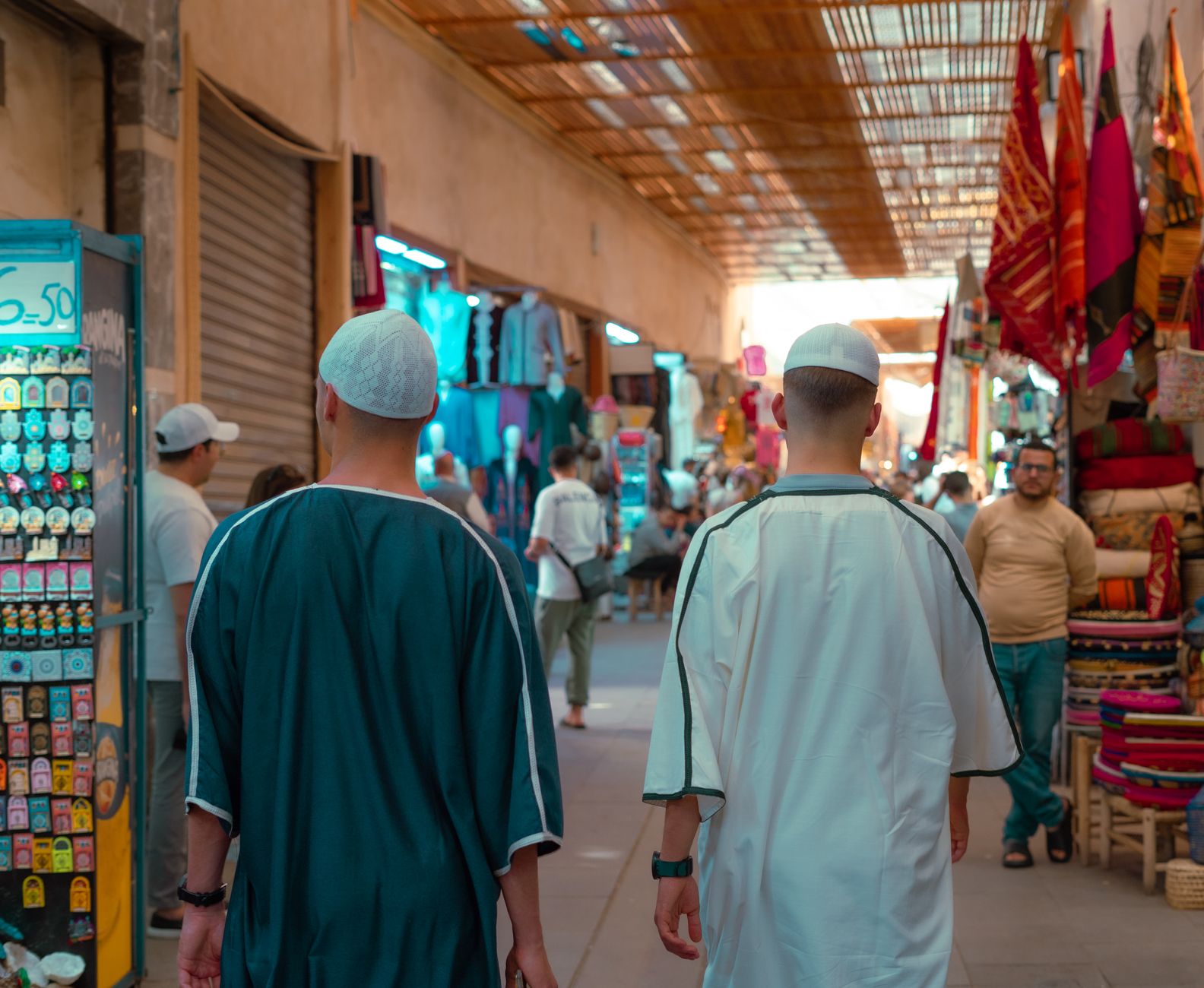

Marrakech is a city that awakens your senses the moment you step into its bustling medina. The scent of cumin, saffron, and grilled meats fills the air, and the sound of sizzling tagines echoes through narrow alleyways. But to truly experience Marrakech, you need to eat like a local—not like a tourist.
This guide will walk you through the food souks, hidden stalls, and local favorites that most visitors never find. By the end, you’ll know exactly where to go, what to order, and how to eat with confidence.
Understanding the Food Souk Culture
In Marrakech, a souk isn’t just a market—it’s a living, breathing community hub. Food souks are where locals shop daily for fresh produce, spices, and prepared meals. Unlike restaurants in the tourist zones, these spots prioritize flavor, speed, and tradition over presentation.
You’ll find food souks scattered throughout the medina, but the most authentic experiences happen away from Jemaa el-Fnaa. Venture into neighborhoods like Mellah or Bab Doukkala to see where residents actually eat.
Here’s what you need to know before you go:
- Timing matters: Morning souks are best for fresh bread and pastries. Lunchtime brings grilled meats and tagines. Evening is for hearty soups and snacks.
- Cash is king: Most stalls don’t accept cards. Bring small dirham notes and coins.
- Eat with your hands: Many local spots expect you to scoop food with bread. It’s part of the experience.
- Follow the crowds: If a stall has a long line of locals, that’s your best bet.
Must-Try Local Dishes in the Souks
Marrakech’s food scene is rich with flavors influenced by Berber, Arab, and Andalusian traditions. Here are the dishes you absolutely cannot miss—and where to find them.
1. Tagine (But Not the Tourist Version)
Yes, you’ve heard of tagine. But the real thing is different from what most hotels serve. Local tagines are cooked slowly in clay pots over charcoal, often with just a few ingredients: lamb, chicken, or vegetables with preserved lemons and olives.
Head to Stall 31 in the Mellah souk for a lamb tagine with prunes that melts in your mouth. Expect to pay around 40-60 dirhams—far less than tourist restaurants.
2. Tanjia
Tanjia is Marrakech’s best-kept secret. It’s a slow-cooked meat dish (usually beef or lamb) prepared in a clay urn and buried in the ashes of a hammam’s fire. The result is incredibly tender, spiced meat that falls apart with a spoon.
You’ll find tanjia stalls near Bab Aghmat in the southern medina. Order it with fresh khobz (bread) and a side of harissa.
3. Bissara
This creamy fava bean soup is a breakfast staple for locals. It’s cheap, filling, and packed with garlic, olive oil, and cumin. A bowl costs about 10 dirhams.
Look for bissara stalls in the Bab Doukkala market early in the morning. Dip crusty bread into the soup and watch the city wake up.
4. Msemen and Baghrir
These are Moroccan pancakes—msemen is flaky and square, while baghrir is spongy with tiny holes. Both are served with honey, butter, or amlou (almond paste).
Find them at small bakeries in the Derb Dabachi area. They’re perfect for a quick breakfast or afternoon snack.
5. Grilled Meats and Kefta
In the evening, food souks transform into grill stations. Skewers of kefta (spiced minced meat), chicken, and liver sizzle over open flames. The smell alone will pull you in.
Jemaa el-Fnaa has famous grill stalls, but they’re touristy. For better prices and authenticity, try the grills near Rahba Kedima.
How to Order Like a Local
Ordering food in a Marrakech souk can feel intimidating if you don’t speak Arabic or French. But a few simple phrases and a respectful attitude go a long way.
- “Salam alaikum” – A greeting that opens doors. Say it before ordering.
- “Bshhal?” – How much? Ask before you commit.
- “Shwiya” – A little. Use this if you want a small portion.
- “Safi, shukran” – That’s enough, thank you. Useful when vendors push extra items.
Also, don’t be afraid to point at what others are eating. Locals are usually proud to share their favorite dishes.
Etiquette and Safety Tips
Eating like a local isn’t just about the food—it’s about respecting the culture. Here’s how to do it right:
- Use your right hand for eating and passing food. The left hand is considered unclean.
- Don’t rush. Meals are social. Sit, chat, and enjoy the atmosphere.
- Drink bottled water. Avoid tap water and ice from street stalls unless you have a strong stomach.
- Check hygiene. Look for stalls with high turnover and clean surfaces. If locals are eating there, it’s usually safe.
- Tip small amounts. A few dirhams are appreciated but not required.
If you have dietary restrictions, learn how to say them in French or Arabic. For example, “Ma kaynsh lham” means “No meat.”
Best Times to Explore Food Souks
Timing your visit can make or break your experience. Here’s a quick breakdown:
- 7:00–9:00 AM: Bissara, msemen, and fresh orange juice. Quiet and local.
- 12:00–2:00 PM: Tagines, tanjia, and grilled meats. Busy but vibrant.
- 6:00–8:00 PM: Soup, kefta, and sweets. The souks come alive with lights and music.
- 9:00–11:00 PM: Late-night snacks like snails, sheep’s head, and mint tea.
Avoid Fridays around noon—many stalls close for prayer.
Conclusion: Eat with Curiosity, Leave with Stories
Eating like a local in Marrakech isn’t about finding the fanciest restaurant. It’s about sitting on a plastic stool, dipping bread into a shared bowl of bissara, and laughing with vendors who become friends. The food souks are the heart of the city, and they’re waiting for you.
So bring your appetite, a sense of adventure, and a few dirhams. Start at Bab Doukkala, follow your nose, and don’t be afraid to get messy.
Ready to taste Marrakech like a true local? Book your food tour with Peramos today and let our guides show you the hidden flavors of the medina.