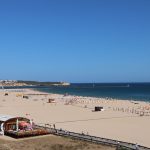

A complete overview specializing in the coastal locations and night leisure of Mykonos serves as a vital framework for navigating this well-known Cycladic island. The sort of informational useful resource synthesizes key particulars relating to iconic shorelinessuch because the organized sands of Platis Gialos and the high-energy shores of Tremendous Paradisealongside detailed profiles of late-night venues in Chora and Little Venice. By categorizing seaside places by environment and detailing venue working hours, such documentation clarifies how the placement transitions from daytime coastal leisure to globally acknowledged night festivities.
Accessing structured perception into the island’s twin concentrate on daytime coastlines and vibrant social scenes presents clear sensible advantages, enabling environment friendly itinerary planning throughout peak journey seasons. Traditionally, Mykonos developed within the mid-twentieth century from a quiet agricultural and fishing neighborhood into a global haven for world jet-setters and artists. This heritage established a definite hospitality mannequin that balances pure Mediterranean landscapes with upscale, open-air leisure. Fashionable planning sources spotlight this stability, serving to guests handle native transportation, anticipate venue reservation wants, and choose particular coastlines tailor-made to quiet leisure or lively social gatherings.
The following sections present an in-depth evaluation of key island locations and operational logistics. Topics lined embody seasonal local weather patterns, transport choices between main coastal hubs, comparative options of main shorelines, and sensible suggestions for navigating native eating and night venues effectively.
mykonos journey information nightlife and seashores
Understanding the important components of an island orientation useful resource permits vacationers to maximise each daytime coastal leisure and late-night leisure effectivity. Evaluating these structured dimensions offers a whole framework for navigating the geography, logistics, and social setting of Mykonos.
- Iconic daytime seashore membership mapping
- Night leisure venue categorization
- Seasonal journey timing optimization
- Island transport community navigation
- Seaside culinary expertise choice
- VIP reservation and entry logistics
These parts join geographical positioning with schedule administration. As an example, mapping southern shorelines like Psarou alongside Chora dance golf equipment prevents transit delays throughout peak summer season months. Coordinating venue reservations with native bus or water-taxi routes ensures seamless transitions between seaside loungers and late-night venues. Mastered collectively, these features rework a typical itinerary into an environment friendly, extremely tailor-made Mediterranean journey expertise.
Iconic daytime seashore membership mapping
Systematic mapping of main coastal venues serves as a core framework for structuring an island itinerary centered on daytime leisure and night transitions. By cataloging exact places, environmental situations, and acoustic programming throughout key shorelines, guests can align day by day actions with private preferences whereas optimizing geographical logistics throughout the island.
- Geographic Zoning and Coastal MicroclimatesMapping particular venues alongside southern and northern coastlines highlights distinct environmental options and venue types. Southern bays resembling Psarou, Paraga, and Ornos supply geographic shelter from robust northern Meltemi winds, offering calm waters and steady situations for upscale seaside institutions. Conversely, northern shores like Ftelia current windward exposures fitted to open-air lounge ideas and water sports activities actions.
- Acoustic Escalation and Operational TimelinesDaytime institutions function on structured temporal shifts designed to transition patrons from noon lounging to afternoon social gatherings. Venues usually preserve refined background audio throughout morning hours, regularly growing rhythm and quantity round mid-afternoon to raise vitality ranges. Recognizing these operational schedules allows exact arrival timing tailor-made to particular preferences for quiet leisure or lively socializing.
- Tiered Reservation Buildings and Capability AdministrationNavigating high-profile coastal venues requires readability relating to spatial tiering and monetary commitments. Institutions typically categorize sunbeds and cabanas by proximity to the shoreline, with front-row positioning commanding increased minimal spend necessities and earlier reserving home windows. Mapping these seating hierarchies beforehand prevents entry delays and secures most popular places throughout peak summer season months.
- Inter-Seashore Transit and Night IntegrationCoastal venues have to be evaluated based on transit connectivity between southern shorelines and central city facilities like Chora. Water-taxi networks supply direct maritime transport between adjoining seashores resembling Platis Gialos, Paradise, and Tremendous Paradise, bypassing inland street congestion. Mapping these water routes creates environment friendly hyperlinks between late-afternoon seashore gatherings and night eating locations.
Establishing a complete overview of daytime coastal venues offers the spatial readability required to navigate island logistics effectively. Integrating geographical profiles, sound insurance policies, and transit connections permits for the creation of a balanced schedule that strikes fluidly from daytime coastal leisure into late-night leisure actions.
Night leisure venue categorization
Systematic categorization of night leisure venues is essential for structuring nocturnal itineraries throughout the island. Classifying institutions by musical focus, working schedules, spatial capability, and reservation protocols permits journey sources to map out late-night choices clearly. This structured method helps guests align their private leisure preferences with the island’s dynamic night economic system, shifting seamlessly from seaside leisure to late-night actions.
- Sundown Lounges and Early Night Cocktail BarsThese institutions function the first transition factors between daytime seashore actions and night eating. Positioned predominantly alongside coastal cliffs in Little Venice and elevated viewpoints surrounding Chora, these venues prioritize ambient background music, crafted mixology, and panoramic views of the Aegean Sea. Operationally, peak capability happens between early nightfall and dusk, requiring strategic arrival occasions or advance desk bookings to safe prime viewing places earlier than dinner hours.
- Excessive-Capability Open-Air SuperclubsOpen-air superclubs characterize the high-energy core of late-night leisure, usually positioned on dramatic coastal bluffs or secluded southern bays. That includes multi-tier dance flooring, superior acoustic expertise, and lineups of worldwide digital music artists, these venues function primarily from midnight by way of daybreak. Understanding their ticketing buildings, door insurance policies, and transportation logistics is important for managing late-night journey throughout the island.
- Intimate City Alleyway LoungesNested throughout the dense, pedestrianized labyrinth of Chora, small-scale bars and micro-lounges supply walkable social hub choices. Characterised by indoor-outdoor stream into whitewashed alleyways, these venues showcase assorted musical types starting from deep home to conventional Greek pop. Their central place makes them splendid for spontaneous bar-hopping, although slender bodily footprints result in excessive density throughout peak night time hours.
- Built-in Dinner-Membership Superb Eating InstitutionsDinner-club hybrids merge upscale gastronomy with theatrical reside performances and late-night social scenes inside a single house. Working from late night till the early morning hours, these venues start with curated seated eating earlier than transitioning into vibrant lounge areas. Navigating these multi-phase environments requires adherence to strict gown codes, vital minimal spend thresholds, and advance reservation preparations months previous to arrival.
Categorizing late-night locations offers important readability for balancing leisure, eating, and late-night leisure. Linking these particular venue classifications with daytime seashore schedules allows a well-organized journey itinerary that maximizes time, minimizes transit conflicts, and delivers an intensive expertise of the island’s coastlines and social tradition.
Seasonal journey timing optimization
Seasonal journey timing instantly dictates the operational availability, monetary funding, and environmental situations skilled throughout coastal locations and night leisure sectors. Choosing an optimum journey window establishes the elemental parameters for an itinerary, as venue operations, worldwide artist residencies, and native transport infrastructures fluctuate considerably between excessive and shoulder seasons. In the course of the peak summer season months of July and August, coastal institutions and open-air venues run at most capability, providing full leisure programming alongside elevated Aegean water temperatures. Nevertheless, this peak interval additionally ends in heavy pedestrian congestion, inflated lodging charges, and prolonged transit delays throughout the slender street community connecting central Chora to southern bays like Tremendous Paradise and Psarou. Conversely, visiting throughout shoulder months resembling June or September offers a balanced setting the place sea situations stay splendid for swimming, seaside venues supply full service with manageable occupancy ranges, and late-night institutions preserve lively schedules with out excessive overcrowding.
Analyzing seasonal operational cycles reveals distinct sensible benefits for strategic journey planning. In late Could, the island undergoes a fast operational transition as seaside institutions launch opening occasions and maritime transport networks scale up service frequencies. For vacationers prioritizing coastal entry and reasonable venue reservation minimums, early June presents a great window earlier than mid-summer pricing buildings take impact. By September, the extraordinary northern Meltemi winds start to subside, bettering water situations alongside northern coastlines like Ftelia and Panormos, which expands usable shoreline choices which might be typically compromised throughout peak July wind spikes. Moreover, evaluating late-season schedules permits guests to focus on main venue closing occasions in late September, when outstanding performers full seasonal residencies earlier than institutions shut for the winter months.
Integrating seasonal timing optimization into complete journey planning bridges the hole between expectations and sensible actuality throughout daytime and nighttime settings. The central problem lies in balancing private preferences for energetic social atmospheres in opposition to tolerance for prime density and premium pricing. Recognizing how seasonal shifts affect wind patterns, water temperatures, venue operational calendars, and native transit networks allows the creation of an environment friendly, extremely focused journey itinerary. Finally, aligning journey dates with particular private priorities serves as a vital basis for experiencing the total scope of the island’s pure and social belongings.
Island transport community navigation
Navigating the native transit infrastructure serves as a vital operational pillar inside complete island planning centered on daytime coastlines and late-night leisure hubs. An in depth understanding of native transport choices instantly determines time effectivity, security, and total finances allocation all through a visit. As a result of geographic distance separates central pedestrian districts like Chora from key southern shorelines, transportation capabilities because the necessary hyperlink between noon coastal leisure and night social actions. As an example, relying solely on spontaneous road hailing throughout peak summer season months creates extreme delays attributable to a restricted native taxi fleet servicing excessive customer counts. Integrating systematic transit planning into an itinerary ensures easy motion between daytime seashore venues and late-night institutions with out expensive schedule disruptions.
An examination of obtainable transit modes highlights the purposeful distinctions between public buses, maritime transfers, and personal vehicular leases. The centralized public bus system operates primarily out of central terminals like Fabrika and the Outdated Port, offering high-frequency, budget-conscious routes on to southern shorelines resembling Platis Gialos and Paraga. To maneuver horizontally alongside the southern shoreline, maritime water-taxi providers supply direct sea routes between adjoining coves, fully bypassing inland street congestion throughout peak site visitors hours. Alternatively, whereas personal rental automobiles or scooters present schedule independence, slender roadways, restricted parking availability close to pedestrian zones, and excessive night-traffic density current vital operational challenges. Aligning particular transport strategies with day by day vacation spot sequences prevents missed eating reservations and delayed membership entries.
Strategic mobility planning resolves core logistical challenges, together with midnight bottlenecks and automobile shortages throughout peak departure hours from high-capacity venues. Combining scheduled bus timetables, pre-booked personal transfers, and daytime water-taxi routes establishes an environment friendly baseline for island exploration. Finally, mastering transit community navigation permits vacationers to maximise their time spent at coastal and night locations whereas minimizing logistical friction throughout the island.
Seaside culinary expertise choice
Choosing applicable seaside eating venues represents a key operational bridge connecting daytime coastal leisure with late-night social itineraries. Coastal gastronomy on the island operates not merely as meal service, however as an immersive sensory transition that aligns geographical placement with temporal development. Integrating structured culinary planning into an island itinerary ensures that eating selections complement shoreline schedules, improve night leisure, and optimize total journey timing.
- Architectural Integration and Environmental AtmosphereWaterfront eating institutions strategically make the most of architectural layouts to maximise Aegean views and coastal airflow. Venues located alongside the rocky edges of Little Venice or instantly on the sands of Psarou and Ornos characteristic open-air terraces that merge pure marine landscapes with refined desk settings. This spatial design permits patrons to expertise the shift from afternoon daylight to sundown lighting, making a pure atmospheric hyperlink between daytime seashore leisure and night time social occasions.
- Gastronomic Evolution from Conventional to Fusion Culinary FashionsThe island’s eating panorama balances basic Cycladic heritage with trendy Mediterranean gastronomy. Conventional seaside tavernas concentrate on regionally sourced seafood, wild herbs, and regional cheeses, providing an genuine culinary setting. Concurrently, upscale coastal club-restaurants supply trendy fusion menus tailor-made to worldwide palates. Understanding this vary allows vacationers to stability easy, mid-day coastal eating with elaborate, high-end night meals.
- Temporal Synchronization with Late-Evening SchedulesSeaside eating operates on a late temporal cycle that dictates the stream of the remainder of the night. Peak dinner service usually happens between 9:00 PM and 11:30 PM, aligning exactly with the operational lull between daytime seashore membership wind-downs and the opening of late-night dance venues. Strategic eating reservation administration prevents timing conflicts, making certain meal service finishes proper as high-energy venues attain peak capability.
- Gastronomic Leisure HybridsA rising section of coastal institutions merges effective eating with efficiency artwork, sound engineering, and interactive hospitality. These dynamic venues transition from formal dinner service instantly into high-energy lounge environments full with resident DJs and reside musical performances. Choosing dinner-club institutions streamlines logistics by eliminating the necessity for mid-evening transit between separate eating and leisure places.
Evaluating seaside culinary choices offers important construction for coordinating afternoon leisure with late-night exercise. By aligning restaurant places, menu types, and eating occasions with day by day transit routes and venue schedules, guests set up a cohesive itinerary. Finally, considerate culinary choice enhances the twin expertise of pristine Mediterranean shorelines and high-energy night leisure throughout the island.
VIP reservation and entry logistics
VIP reservation and entry logistics type an important operational layer inside complete island journey frameworks that stability premier coastal locations with dynamic late-night venues. In high-demand Mediterranean places, securing precedence entry, devoted desk placements, and streamlined entry protocols resolves extreme entry bottlenecks brought on by excessive seasonal customer volumes and strict venue capability caps. Establishing clear VIP logistics connects high-end seaside lounging throughout the day with unique late-night social scenes, making certain seamless transitions throughout top-tier institutions.
- Tiered Desk Allocation and Monetary CommitmentsPremium coastal institutions and late-night golf equipment classify seating, cabanas, and tables based mostly on bodily proximity to main efficiency areas or prime shoreline views. Securing these places requires navigating structured minimal spend ensures, advance safety deposits, and tiered service ranges. For instance, securing a front-row ocean cabana at Psarou or a DJ-booth desk at an open-air superclub mandates pre-negotiated monetary agreements, making certain assured entry and devoted workers service throughout peak operational hours.
- Specific Entry Administration and Door ProtocolsExcessive-capacity night golf equipment and elite coastal lounges implement strict entry controls to handle crowd density and preserve venue exclusivity. VIP reservation protocols bypass basic admission strains, expediting arrival by way of designated precedence queues. Sensible execution depends on host affirmation lists, digital visitor administration techniques, or native concierge verification, stopping multi-hour delays at venue entrances throughout peak operational home windows between midnight and a couple of:00 AM.
- Concierge Intermediaries and Native VIP NetworksEntry to restricted venues and last-minute desk changes often depends on established native concierge networks and way of life administration providers. These intermediaries preserve direct operational ties with venue administration, desk coordinators, and safety workers throughout the island. Leveraging these skilled networks facilitates versatile scheduling, precedence desk re-allocations throughout sudden itinerary shifts, and personal transport preparations on to safe venue entry factors.
- Built-in Day-to-Evening Service ContinuityExcessive-end hospitality fashions concentrate on creating an unbroken luxurious expertise that strikes fluidly from afternoon coastal lounges to late-night dance venues. Institutions below shared possession or strategic partnerships supply linked reservation packages that safe prime seating throughout a number of venues all through a single day. This operational continuity reduces administrative friction, coordinates safety escorts, and arranges synchronized personal transfers between coastal day golf equipment and central city venues.
Mastering VIP reservation and entry protocols offers clear sensible benefits when navigating outstanding journey locations identified for world-class coastlines and energetic social atmospheres. By eliminating entry friction, guaranteeing optimum bodily positioning inside prime venues, and coordinating transfers between day and night time actions, strategic reservation administration optimizes each time effectivity and private consolation. Finally, integrating clear VIP logistics into journey planning transforms potential operational friction right into a well-organized, high-efficiency leisure expertise.
Continuously Requested Questions
Important inquiries relating to island navigation, coastal locations, and late-night venue logistics supply readability for developing an environment friendly journey itinerary.
Query 1: What are the first variations between southern and northern coastal venues on the island?
Southern shorelines profit from pure geographical wind safety, yielding calm waters and internet hosting structured, high-density seaside golf equipment. Northern coasts face windward exposures from seasonal Meltemi winds, attracting water sports activities fans whereas providing a quieter, lower-density coastal setting.
Query 2: How far upfront ought to reservations be secured for high-profile seaside golf equipment and late-night institutions?
For peak summer season journey throughout July and August, desk and sunbed reservations at premier coastal and night venues typically require reserving two to a few months upfront. Shoulder season visits in June or September usually require two to 4 weeks of advance administrative planning.
Query 3: What public transportation choices join central Chora to common southern shorelines?
The native public bus system operates frequent scheduled routes from central terminals in Chora, resembling Fabrika and the Outdated Port, to main southern locations together with Platis Gialos, Paradise, and Ornos. Moreover, water-taxi vessels hyperlink adjoining southern bays instantly by sea throughout daytime operational hours.
Query 4: What’s the typical operational timeline for night and late-night leisure venues?
Sundown lounges and coastal cocktail bars function primarily from 6:00 PM to 10:00 PM. Excessive-capacity open-air golf equipment and late-night venues often open doorways round midnight, reaching peak crowd density between 2:00 AM and 5:00 AM, with music persevering with till daybreak.
Query 5: Which months supply the optimum stability of favorable climate and manageable venue density?
Early June and September characterize optimum operational home windows. Throughout these shoulder intervals, Aegean sea temperatures stay heat sufficient for coastal leisure, venue schedules function at full performance, and total customer density stays under peak July and August ranges.
Query 6: Are gown codes strictly enforced at effective eating institutions and late-night venues?
Upscale dinner-clubs, high-end seaside institutions, and central city cocktail lounges implement good informal to elegant gown codes. Athletic put on, informal seashore apparel, and open-toed footwear for males are often prohibited previous early night hours at high-profile places.
Addressing these basic logistical inquiries ensures easy navigation between daytime coastlines and nocturnal social environments. Understanding venue schedules, transport routes, and reserving protocols minimizes delays and optimizes useful resource administration throughout the island.
The ultimate part offers a synthesis of vital planning issues to make sure a balanced, extremely environment friendly Mediterranean journey expertise.
Strategic Suggestions for Coastal and Night Itineraries
Structured execution of island logistics enhances each daytime leisure and late-night motion. Adhering to focused operational practices mitigates frequent journey friction related to peak seasonal calls for throughout shorelines and leisure venues.
Tip 1: Synchronize Coastal Reservations with Water Transit Routes. Securing sunbed allocations at southern bays like Platis Gialos or Psarou ought to coincide with maritime water-taxi schedules to get rid of prolonged roadside delays throughout peak site visitors hours.
Tip 2: Goal Mid-Night Home windows for Eating Reservations. Scheduling dinner tables in Chora or Little Venice between 8:30 PM and 10:00 PM creates a purposeful operational bridge between afternoon seaside lounging and post-midnight venue entries.
Tip 3: Modify Seashore Choice Based mostly on Meltemi Wind Forecasts. Monitoring day by day wind instructions permits choice of sheltered leeward shorelines; southern coves present calm waters throughout intense northern Meltemi winds, whereas northern bays swimsuit wind-dependent actions.
Tip 4: Safe Advance Entry Property for Excessive-Capability Venues. Excessive-energy open-air golf equipment implement strict capability limits previous midnight, making advance ticket purchases or pre-arranged desk allocations needed to ensure venue entry throughout peak season.
Tip 5: Pre-Organize Late-Evening Personal Transfers. Given the restricted native taxi fleet servicing central Chora and outlying coastal bluffs, organizing personal vehicular transfers previous to midnight prevents prolonged stranded intervals after membership closing occasions.
Tip 6: Observe Venue Night Wardrobe Requirements. Upscale coastal club-restaurants and city lounges implement smart-casual or elegant gown codes after sundown, requiring correct wardrobe changes when transitioning from informal daytime seashore environments.
Implementing these strategic suggestions ensures optimum time administration, controls monetary expenditure, and ensures precedence entry throughout main coastal and night hubs. Structured planning converts potential logistical friction right into a streamlined, environment friendly journey expertise.
The concluding part synthesizes these tactical insights right into a last overview, offering a balanced abstract of important planning issues for visiting the island.
Conclusion
Using a complete mykonos journey information nightlife and seashores useful resource establishes a exact framework for navigating the island’s twin daytime and night economies. All through this evaluation, core logistical componentsincluding daytime coastal mapping, night venue classification, seasonal optimization, transit community navigation, seaside culinary choice, and VIP reservation protocolshave been examined to maximise motion effectivity and itinerary construction. Aligning day by day exercise schedules with native geography, wind microclimates, and venue working hours ensures a seamless motion sample from afternoon coastal leisure into high-energy late-night leisure.
Thorough advance preparation converts potential operational friction, resembling transit bottlenecks and capability limits, right into a extremely organized Mediterranean journey expertise. As demand for premier coastal locations and unique social venues continues to rise, systematic planning throughout transport, eating, and venue entry stays important for optimizing time and useful resource administration. Rigorous logistical coordination in the end permits guests to totally expertise the pure coastlines and globally acknowledged leisure tradition of the island with full effectivity.

Content writer and lifestyle enthusiast covering global travel destinations, street food cultures, entertainment, and sports trends. Passionate about uncovering hidden culinary gems, crafting practical travel guides, and sharing engaging insights on modern lifestyle trends to inspire curious readers and travelers worldwide.