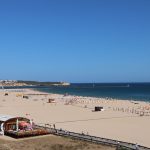

A value-conscious handbook for visiting Santorini serves as an tutorial useful resource detailing find out how to expertise iconic Aegean landscapes, volcanic seashores, and distinctive whitewashed structure whereas minimizing bills. This strategy categorizes sensible strategies for monetary effectivity, comparable to using the general public KTEL bus community as an alternative of high-priced taxis, securing lodging in inland villages like Pyrgos or Emporio moderately than luxurious cliffside suites in Oia, and sampling native avenue meals comparable to souvlaki alongside conventional family-owned tavernas. By laying out actionable methods, these assets show that extremely sought-after Mediterranean locations can stay accessible with out requiring substantial monetary expenditure.
Traditionally, the island remodeled from a modest seafaring and agricultural neighborhood within the Cyclades right into a premier world vacationer hub in the course of the late twentieth century. This speedy commercialization brought on costs for lodging and eating to rise considerably, creating monetary obstacles for typical vacationers. Growing a structured, economical technique for visiting the area yields vital advantages by democratizing entry to historic websites just like the Minoan ruins of Akrotiri and distinctive geological formations created by historical volcanic eruptions. Emphasizing fiscal restraint permits guests to deal with genuine cultural immersion and pure magnificence moderately than inflated vacationer facilities.
The next sections define the foundational steps for executing a cost-effective journey to this Cycladic vacation spot. Detailed protection contains optimum timing throughout shoulder seasons to seize decrease charges, sensible navigation of native transport choices, curated lists of cost-free outside actions, and strategic suggestions for value-focused eating and lodging.
santorini journey information on a funds
As an informational useful resource, a cost-effective itinerary handbook capabilities as a structured framework that breaks down complicated journey prices into manageable parts. Understanding the core structural elements of this reference materials permits vacationers to maximise sensible worth whereas sustaining monetary management throughout each stage of the journey.
- Off-peak season timing methods
- Price range-friendly lodging choice
- Public KTEL bus navigation
- Reasonably priced native eating choices
- Free cultural and scenic sights
- Expense monitoring and itinerary planning
Combining strategic timing with localized transit considerably lowers foundational prices. For example, visiting in Could or October reduces lodging charges, whereas using public buses eliminates excessive taxi fares. Moreover, prioritizing conventional avenue meals and exploring cost-free vistassuch because the volcanic hike between Fira and Oiaensures an genuine Cycladic expertise. Integrating these important parts creates a dependable roadmap for experiencing world-class locations affordably.
Off-peak season timing methods
Timing performs a decisive function in figuring out the general monetary burden of an Aegean tour. Implementing off-peak timing methods instantly reduces expenditures throughout major journey classes, together with lodging, transportation, and native leisure. Throughout peak summer season months, excessive demand permits native distributors to lift room charges considerably. Shifting journey plans to shoulder months, comparable to April, Could, September, or October, basically alters this dynamic. For instance, boutique lodging suppliers in cliffside villages that command premium charges in July often provide substantial reductions throughout Could or October. This worth drop happens attributable to decreased customer density, prompting enterprise operators to decrease costs to keep up baseline occupancy.
Past direct lodging financial savings, shoulder-season journey exerts a optimistic cascade impact on on a regular basis logistical prices and journey high quality. Maritime transit suppliers and regional airways regulate fare buildings relative to seasonal quantity, making transit to and inside the Cyclades considerably cheaper. Moreover, diminished crowd sizes get rid of the necessity to buy premium expedited tickets or costly advance reservations at common sundown viewing spots and eating institutions. Climate throughout these transitional months stays temperate, facilitating outside pursuits such because the scenic trek between Fira and Oia or the exploration of historical Akrotiri with out the bodily pressure of midsummer warmth or the excessive prices related to summer season journey.
Aligning journey dates with non-peak intervals serves as a vital framework for price management. Whereas deciding on deep winter months can current operational challengessuch as decreased ferry frequencies and seasonal closures of native amenitiesthe shoulder months present an optimum stability between affordability and infrastructure availability. Understanding seasonal worth variations permits guests to mitigate main bills, reworking a traditionally unique location into an economically manageable vacation spot.
Price range-friendly lodging choice
Lodging expenditures characterize the one largest proportion of journey bills when visiting high-demand Cycladic locations. Choosing cost-effective lodging serves as a important structural pillar for an economically disciplined journey technique, instantly figuring out the remaining capital out there for transit, eating, and sightseeing. Strategic decision-making relating to property location and room classification permits vacationers to considerably decrease mounted every day overhead with out sacrificing spatial entry to the island’s main geological and historic sights.
- Geographic Relocation to Inland and Japanese VillagesChoosing lodging located exterior major caldera hubs like Oia and Fira yields rapid monetary reduction. Inland settlements comparable to Pyrgos, Emporio, and Karterados, in addition to japanese coastal cities like Kamari and Perissa, characteristic room charges at a small fraction of cliffside luxurious suites. As a result of public bus transit hyperlinks these central and japanese communities on to major transit terminals, geographical compromise imposes minimal operational delay whereas producing substantial every day financial savings.
- Utilization of Self-Catering Studio ResidencesPrioritizing self-catering models or conventional family-operated guesthouses geared up with kitchenettes alters the general every day expense mannequin. Entry to primary refrigeration and cooking amenities permits the preparation of impartial meals, comparable to breakfasts and lightweight dinners, utilizing substances bought from native grocery markets. This alternative successfully targets two main price categorieslodging and meals servicewithin a single planning choice.
- Direct Operator Engagement and Reservation TimingSecuring reservations a number of months forward of peak demand or speaking instantly with small, family-owned pensions often eliminates third-party commissions added by massive reserving portals. Direct inquiries can unlock unlisted off-peak promotions, discounted long-stay charges, or waived service fees. Securing clear pricing early locks in predictable baseline expenditures inside an general journey funds.
- Alignment of Facilities with Practical NecessitiesEvaluating particular room requirementssuch as selecting personal rooms with shared tub amenities or multi-bed hostel dormitories over personal standalone suitesdirectly expands monetary flexibility. For solo vacationers and small teams, deciding on primary, useful lodging that serves primarily as a sleeping base moderately than an all-inclusive resort maximizes capital conservation for outside actions and cultural excursions.
Mastering lodging choice anchors a financially manageable Aegean itinerary. By balancing geographic location, property sort, reserving channels, and important amenity selections, guests successfully neutralize the inflated overhead generally related to world-famous island locations. These focused lodging selections make sure that monetary self-discipline helps, moderately than hinders, an enriching journey expertise.
Public KTEL bus navigation
Floor transportation represents probably the most unstable variable prices when exploring the Cycladic islands, making public bus navigation a foundational pillar of any cost-conscious journey technique. Personal taxis and personal transfers often command excessive charges, notably throughout transit between main settlements, port terminals, and coastal zones. In distinction, the general public KTEL bus community supplies a structured transit system with mounted, low-cost fares sometimes ranging between one and three euros per particular person journey. Using this public infrastructure instantly neutralizes extreme transit bills, changing what may very well be a serious expenditure right into a predictable every day line merchandise. For instance, touring from the central hub in Fira to the northern village of Oia or the southern seashores of Perissa prices a minute fraction of a employed automobile price, establishing public transit as a vital operational part for sustaining monetary self-discipline.
Understanding the sensible mechanics of the KTEL bus system permits vacationers to optimize motion throughout the area with out counting on rented automobiles or personal chauffeurs. The community operates on a organized hub-and-spoke mannequin centered on the major terminal in Fira. Just about all routes originate or terminate at this central level, enabling systematic entry to inland settlements, historic websites like Akrotiri, the worldwide airport, and the Athinios ferry port. Fares are collected instantly on board or at bodily station kiosks by way of money cost, eliminating administrative reserving fees. By coordinating every day itineraries round revealed departure schedules, guests residing in economical japanese or inland villages can seamlessly entry high-interest western caldera areas whereas avoiding automotive rental charges, gasoline prices, and native parking fees.
Whereas full reliance on public transit yields substantial monetary financial savings, efficient execution requires managing localized logistical elements comparable to excessive seasonal passenger quantity and stuck switch schedules. Throughout peak operational intervals, buses serving major routes can fill shortly, requiring advance arrival at major departure bays to make sure well timed transport. Moreover, as a result of inter-village journey usually requires connecting by means of the central Fira terminal, time administration should account for transit transfers. Regardless of these minor operational concerns, mastering the general public KTEL community stays a cornerstone of value-oriented journey planning, demonstrating that full geographic mobility can coexist with rigorous funds administration.
Reasonably priced native eating choices
Meals and beverage expenditures characterize a extremely versatile but probably unstable every day expense when navigating high-traffic Cycladic locations. Incorporating strategic culinary selections right into a cost-conscious journey framework prevents every day budgets from deteriorating underneath the load of inflated resort pricing. Shifting eating habits away from business caldera-rim institutions and towards conventional Greek meals networks permits guests to take pleasure in genuine regional delicacies whereas sustaining strict management over every day expenditures.
- Utilization of Conventional Greek Road MealsIntegrating choices comparable to pita gyros, souvlaki skewers, and regional bakery gadgets supplies high-protein, satisfying meals at minimal price. Buying a contemporary pita gyro from an area store in Fira or native transit junctions sometimes prices between three and 5 euros, providing a stark distinction to full-service eating places the place primary entrees routinely exceed thirty euros. Counting on avenue meals for mid-day meals drastically reduces every day meals overhead.
- Patronizing Inland Household-Operated TavernasIn search of out conventional tavernas positioned in non-coastal, inland villages like Megalochori, Messaria, and Emporio ensures entry to genuine Greek culinary traditions at commonplace native charges. These institutions serve native specialties like tomato fritters (domatokeftedes), yellow cut up pea puree (fava), and Greek salads made with native cherry tomatoes at costs tailor-made to residents moderately than short-term worldwide vacationers.
- Grocery Sourcing for Every day Self-CateringUsing municipal supermarkets and native bakeries for primary requirements, drinks, and every day breakfast provisions neutralizes minor bills that mixture over time. Buying bulk bottled water, contemporary fruit, Greek yogurt, and bakery bread from regional grocery chains eliminates the heavy markups charged by comfort kiosks and lodge room providers, securing low every day baseline meal prices.
- Strategic Timing and Meal DistributionRestructuring every day eating patterns by making lunch the principle eating occasion takes benefit of decrease mid-day menu pricing and informal lunch choices. Transitioning to lighter, market-sourced meals or avenue meals choices within the night avoids peak dinner surcharges and necessary seating minimums enforced by high-demand night venues alongside major sundown viewing routes.
Adopting disciplined eating methods reinforces the broader monetary sustainability of an Aegean itinerary. By balancing avenue meals effectivity, native market sourcing, and inland taverna eating, guests get rid of pointless premium prices related to tourist-heavy eating hubs. These intentional selections make sure that culinary enjoyment stays excessive whereas supporting a structured, cost-effective strategy to exploring the area.
Free cultural and scenic sights
Integrating complimentary cultural and pure landmarks into an itinerary supplies most worth whereas minimizing general expenditures in high-demand Aegean locations. Scenic and historic sights that require no entry charges instantly offset mounted prices related to transit and lodging, permitting guests to expertise the core geological and architectural id of the area with out exceeding deliberate spending limits.
- Caldera Footpath Navigation Between Fira and OiaA ten-kilometer pedestrian path connecting the settlements of Fira, Firostefani, Imerovigli, and Oia provides steady vistas of the volcanic basin, historic chapels, and conventional cliffside buildings with none entry cost. Traversing this pure path supplies an in depth bodily overview of the native topography whereas serving as a zero-cost different to business guided excursions or organized boat cruises.
- Exploration of Historic Inland Settlement StructureInland medieval villages comparable to Pyrgos, Emporio, and Megalochori characteristic open pedestrian alleys, historic fortified castles (Kastelia), and conventional vaulted structure accessible to the general public for gratis. Wandering by means of these preserved quarters exposes vacationers to genuine regional historical past and conventional Cycladic city design with out requiring museum entrance charges.
- Entry to Distinctive Coastal Geological FormationsPublic coastal zones such because the Purple Seaside close to Akrotiri, the monolithic rock buildings at Kamari, and the expansive volcanic sand stretches of Perissa provide open entry to distinctive Aegean shorelines. Prioritizing public seashore sections over personal business golf equipment or rental loungers permits full utilization of pure marine assets whereas preserving every day operational capital.
- Utilization of Open Vantage Factors for Sundown ViewingSecuring commentary spots at public areas just like the ruined Byzantine fort in Oia, the Akrotiri Lighthouse on the southwestern tip of the island, or the summit of Mount Profitis Ilias supplies panoramic sundown views with out monetary obligations. Using these open vantage factors avoids the excessive minimal spending limits enforced by personal caldera-facing bars and eating venues.
Systematically incorporating non-priced cultural and pure belongings right into a journey plan reduces common every day exercise prices whereas sustaining an entire sightseeing expertise. Balancing self-guided outside exploration with selective spending ensures that monetary constraints don’t compromise thorough immersion within the vacation spot’s well-known panorama and heritage.
Expense monitoring and itinerary planning
Systematic expense monitoring and structured itinerary planning kind the operational spine of a disciplined, low-cost Aegean journey technique. Managing expenditures in a high-cost vacation spot requires energetic monetary monitoring and geographic group to make sure that useful resource constraints don’t derail the journey. Establishing clear monetary parameters and aligning them with a every day route schedule transforms theoretical cost-saving ideas right into a sensible, execution-oriented roadmap for the whole journey.
- Pre-Departure Capital AllocationCategorizing projected prices previous to arrival establishes concrete monetary boundaries for every operational space, together with mounted housing, regional transit, and every day meals provisions. Allocating specific financial limits for separate classes prevents overspending on early journey elements, guaranteeing enough funds stay out there at some point of the keep.
- Actual-Time Micro-Transaction LoggingRecording every day minor purchasessuch as espresso, public transit tickets, and incidental market visitsprevents funds drift attributable to unmonitored money expenditures. Documenting transactions in actual time by way of digital ledgers or every day logbooks permits rapid monetary course corrections, guaranteeing that small every day outlays don’t exceed established caps.
- Geographically Grouped Itinerary MappingStructuring every day actions round particular geographical zones minimizes pointless transit legs and redundant transportation charges. For example, pairing an tour to the historic ruins of Akrotiri with close by seashore entry and southern village exploration inside a single day optimizes public bus utilization, eliminating duplicate journey prices and maximizing time effectivity.
- Contingency Reserve IntegrationReserving a hard and fast share of the entire funds for unexpected operational disruptions, comparable to ferry delays or sudden schedule modifications, protects the first journey framework. Sustaining an remoted emergency money buffer ensures that surprising logistical changes will be absorbed with out exhausting every day operational budgets.
Integrating exact monetary monitoring with logical itinerary design ensures the long-term viability of cost-conscious journey plans in premium island locations. Balancing every day expense logs with route-optimized scheduling protects private capital whereas unlocking full geographic entry to historic and geological landmarks. In the end, structured oversight converts potential monetary stress right into a managed, extremely predictable, and fulfilling journey expertise.
Ceaselessly Requested Questions
Navigating monetary concerns for an Aegean getaway often raises sensible questions relating to transportation, lodging, and seasonal timing. The next part addresses frequent inquiries and provides concrete recommendation for sustaining fiscal self-discipline throughout a visit to the Cyclades.
Query 1: Is it sensible to go to the island with out incurring extreme monetary bills?
Sure, visiting the vacation spot affordably is absolutely achievable by choosing inland or japanese village lodging, using the regional public transit community, eating at conventional native institutions, and prioritizing free outside panorama exploration.
Query 2: What’s the most cost-effective time of 12 months to plan a go to?
The shoulder season monthsspecifically April, Could, September, and Octoberoffer an optimum stability. Throughout these intervals, lodging charges, flight prices, and ferry fares drop considerably in comparison with midsummer peaks, whereas major infrastructure and companies stay absolutely operational.
Query 3: How does the price of public transportation examine to automobile leases or taxis?
The general public KTEL bus community operates at a fraction of the price of personal transit choices. Single journeys usually vary between one and three euros, whereas personal taxis and rental automobiles contain excessive base every day charges, gasoline prices, and potential parking bills.
Query 4: Which geographic areas provide probably the most inexpensive lodging selections?
Inland settlements comparable to Pyrgos, Emporio, and Karterados, together with japanese coastal communities like Kamari and Perissa, characteristic considerably decrease nightly lodging charges than cliffside properties alongside the caldera in Oia or Fira.
Query 5: Is it doable to expertise conventional regional meals on a constrained every day funds?
Cheap culinary choices are extensively out there by prioritizing Greek avenue meals institutions serving pita gyros and souvlaki, frequenting family-owned tavernas exterior main vacationer facilities, and buying every day provides from native supermarkets.
Query 6: Are major pure and historic sights accessible with out buying entry tickets?
Quite a few main sights require no admission charges. Key complimentary experiences embrace mountain climbing the volcanic path between Fira and Oia, exploring medieval inland structure, accessing public seashore zones, and using open vantage factors for sundown commentary.
Strategic decision-making throughout timing, transit, lodging, and eating transforms an traditionally high-cost location into an accessible vacation spot. Incorporating these sensible approaches preserves capital whereas sustaining complete entry to key sights and cultural belongings.
The ultimate part summarizes the first concerns for executing a structured, budget-conscious Mediterranean itinerary.
Sensible Steerage for Economical Island Exploration
Executing a financially disciplined itinerary throughout the Aegean requires strict adherence to strategic planning and localized information. The next suggestions reduce operational expenditures whereas optimizing entry to major cultural and geological landmarks.
Tip 1: Leverage Regional Supermarkets for Every day Provisions Procuring staple gadgets, bottled water, and regional fruits from municipal grocery shops moderately than vacationer cafes establishes a low baseline expenditure for every day dietary wants.
Tip 2: Make the most of Typical Ferries Over Flight Routes Choosing commonplace passenger ferries as an alternative of regional air transit or high-speed catamarans considerably lowers inter-island transportation charges whereas sustaining dependable arrival schedules.
Tip 3: Choose Lodging Amenities Geared up with Kitchenettes Renting studio flats or conventional family-operated guesthouses with primary cooking infrastructure permits impartial meal preparation, instantly lowering full-service restaurant prices.
Tip 4: Buy Public Transit Tickets at Central Terminals Procuring bus fares instantly at designated public kiosks eliminates intermediate reserving commissions typically added by lodge concierges or personal tour businesses.
Tip 5: Prioritize Self-Guided Pedestrian Excursions Enterprise established public strolling routes, such because the volcanic crater path from Fira to Oia, replaces expensive business excursions with complete, zero-cost bodily exploration.
Tip 6: Schedule Archaeological Visits Round Diminished-Charge Window Intervals Coordinating visits to historic areas like historical Akrotiri or Historic Thera throughout designated non-fee days or off-peak hours preserves working capital whereas offering full entry to regional heritage websites.
Implementing these sensible techniques mitigates the value inflation sometimes related to high-demand Aegean locations. Systematic price administration throughout lodging, transport, and eating classes safeguards private funds whereas guaranteeing thorough protection of important geographic highlights.
These core operational strategies lead instantly into the ultimate overview of sustainable monetary planning for high-profile Mediterranean journey.
Conclusion
A complete santorini journey information on a funds demonstrates that navigating high-demand Cycladic locations doesn’t necessitate exorbitant monetary expenditures. By prioritizing shoulder-season timing, securing lodging in non-coastal inland settlements, and counting on the general public KTEL bus community, baseline operational prices are systematically managed. Moreover, balancing every day meals bills by means of native market sourcing and regional avenue meals, mixed with zero-cost actions such because the Fira-to-Oia crater hike, permits vacationers to expertise the complete scope of the area’s historic and pure belongings whereas sustaining strict fiscal self-discipline.
Adopting an intentional, strategy-driven strategy transforms perceived monetary obstacles into alternatives for deeper cultural engagement and genuine exploration. As world tourism demand continues to raise prices throughout premier Mediterranean areas, structured monetary administration and localized analysis stay important instruments for preserving capital. Implementing these structured methodologies ensures that world-class geographical and cultural heritage stays accessible, establishing a sustainable framework for financial journey throughout high-value locations worldwide.

Content writer and lifestyle enthusiast covering global travel destinations, street food cultures, entertainment, and sports trends. Passionate about uncovering hidden culinary gems, crafting practical travel guides, and sharing engaging insights on modern lifestyle trends to inspire curious readers and travelers worldwide.