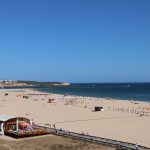

A structured one-week trip plan for Greece’s largest island serves as a strategic blueprint designed to maximise exploration inside a restricted timeframe. Such a framework organizes each day actions, transportation routes, and landmark visits throughout numerous areas, making certain guests expertise key highlights with out pointless journey delays. For instance, an efficient weekly route may allocate preliminary days to western cultural hubs like Chania, progress towards pure coastal websites comparable to Elafonisi, and conclude with central archaeological monuments close to Heraklion.
Navigating this vacation spot presents logistical challenges as a consequence of expansive geography, rugged mountain ranges, and centuries of overlapping historic influences. Using a pre-planned seven-day trajectory gives important construction, permitting people to stability high-priority attractionssuch because the Minoan Palace of Knossos and the Samaria Gorgewith coastal leisure. Past environment friendly time administration, a organized schedule reduces journey fatigue, optimizes rental automobile utilization, and facilitates deeper engagement with historical, Venetian, and Ottoman traditions.
To execute a seamless journey, a radical examination of regional highlights, optimum journey seasons, and sensible logistics is important. The next sections define each day route variations, regional transit choices, cultural issues, and eating suggestions to make sure a complete week-long island expertise.
final crete journey information 7 days itinerary
Executing a balanced one-week journey throughout Greece’s largest island requires a structured method that harmonizes geographic distance with cultural exploration. To optimize time and guarantee a wealthy journey expertise, a number of core parts have to be evaluated through the planning course of.
- Regional geographic division
- Historical Minoan archaeological websites
- West-to-east coastal transit routes
- Seasonal climate and timing components
- Native culinary and cultural immersion
- Environment friendly each day journey time allocation
Integrating these core parts ensures {that a} short-term go to balances iconic landmarks with sensible logistics. Connecting historic locations like Knossos with pure wonders like Balos Lagoon requires environment friendly transit planning to stop pointless backtracking. Finally, organizing each day journey instances alongside regional geography permits vacationers to expertise each mountain traditions and coastal surroundings inside a manageable, extremely rewarding timeframe.
Regional geographic division
Crete is geographically segmented into 4 distinct administrative prefectures working from west to east: Chania, Rethymno, Heraklion, and Lasithi. Understanding these regional divisions is key when structuring a complete seven-day journey schedule, because the island spans over 260 kilometers in size with rugged terrain that considerably impacts transit instances. Correctly mapping actions in response to these geographic zones ensures environment friendly journey logistics and reduces pointless long-distance driving.
- Western Area: Chania’s Coastal and Alpine LandscapesThe westernmost prefecture is outlined by the dramatic White Mountains (Lefka Ori) and distinguished coastal options comparable to Balos Lagoon and Elafonisi Seaside. Incorporating Chania right into a short-term schedule requires grouping actions geographically, as navigating the slim mountain passes to succeed in southwest seashores calls for devoted full-day journey allocations.
- Central-Western Area: Rethymno’s Cultural HighlandsLocated between Chania and Heraklion, Rethymno options high-elevation peaks, together with Mount Psiloritis, alongside historic inland websites like Arkadi Monastery. This area acts as an efficient transit hall in a weekly schedule, offering alternatives for mid-route cultural stops and historic metropolis exploration with out requiring main detours from the primary northern freeway.
- Central Area: Heraklion’s Archaeological CoreAs the first logistical hub of the island, Heraklion incorporates the principal worldwide airport, important ferry port, and main Minoan historic websites like Knossos. Allocating time on this central zone gives direct entry to major historic monuments and concrete infrastructure, serving as a sensible anchor for arrival or departure days.
- Japanese Area: Lasithi’s Plateaus and Coastal EnclavesThe jap sector encompasses the fertile Dikti Plateau, Mirabello Bay, and coastal settlements like Agios Nikolaos and Sitia. On account of distance constraints, integrating Lasithi right into a one-week framework sometimes entails focused day excursions from Heraklion somewhat than relocating in a single day bases, sustaining journey effectivity.
Analyzing these 4 geographic divisions permits for strategic route optimization throughout a seven-day timeframe. By systematically progressing by means of regional clusters somewhat than crisscrossing the island, journey schedules preserve a manageable tempo whereas offering broad publicity to diversified topography, historical websites, and native traditions.
Historical Minoan archaeological websites
Historical Minoan archaeological websites characterize the foundational historic context of Crete, making their inclusion important to any complete one-week journey plan. As Europe’s earliest superior Bronze Age civilization, the Minoans left behind in depth architectural complexes that outline the island’s cultural legacy. Incorporating main places such because the Palace of Knossos, Phaistos, and Malia right into a seven-day schedule straight influences the route’s geographic circulation. With out these historic anchors, a short-term go to dangers remaining superficial, whereas integrating them ensures that vacationers grasp the deep historic forces that formed the jap Mediterranean area.
From a sensible planning perspective, visiting these archaeological preserves requires strategic time administration and logical each day routing. The Palace of Knossos, positioned simply south of Heraklion, capabilities as a pure start line that pairs successfully with the Heraklion Archaeological Museum, the place key artifacts just like the Phaistos Disc and fresco fragments are preserved. Incorporating secondary Minoan facilities, such because the southern palace of Phaistos or the seaside city of Gournia, gives perception into Minoan commerce networks, agricultural storage, and concrete design. Inserting these visits alongside main regional transit corridors permits for steady progress throughout the island with out forcing drivers to double again.
Finally, prioritizing Bronze Age heritage websites delivers a balanced understanding of Crete that extends past its fashionable coastal resorts. Managing challenges comparable to mid-day summer season warmth and excessive customer quantity requires early arrival instances and coordinated scheduling alongside close by coastal or culinary stops. Anchoring a seven-day journey with these historical monuments establishes a coherent narrative, connecting bodily landscapes with hundreds of years of human historical past.
West-to-east coastal transit routes
Navigating Crete alongside its northern shoreline from west to east gives the structural spine for a well-organized one-week journey plan. As a result of the island stretches over 260 kilometers from finish to finish, making an attempt to crisscross between remoted areas or consistently return to a single base results in extreme driving hours and pointless journey fatigue. The first arterial freeway, designated as European route E75 (Nationwide Highway 90), straight connects the most important regional facilities of Chania, Rethymno, Heraklion, and Agios Nikolaos. Establishing a linear west-to-east transit line permits vacationers to systematically go to major attractionssuch as departing the Venetian port of Chania, exploring the fortress of Rethymno, and persevering with to the central ruins of Knossoswithout retracing their steps over beforehand pushed highways. This environment friendly spatial development maximizes daylight devoted to sightseeing whereas making certain manageable each day drive instances.
The sensible execution of a west-to-east routing technique depends on balancing high-speed coastal transit with focused inland or southern detours. The primary northern freeway affords the quickest journey situations on the island, enabling predictable transit between main hubs. Nonetheless, reaching legendary southern places comparable to Elafonisi Seaside, Samaria Gorge, or Matala requires leaving the first artery to navigate winding, single-lane roads by means of mountainous terrain. An efficient seven-day schedule treats the northern west-to-east freeway as a major anchor, incorporating brief north-south loops at designated phases. For instance, transferring east from Chania towards Rethymno permits a deliberate noon cease at Lake Kournas or the inland village of Margarites with out compromising arrival instances on the subsequent night lodging.
Strategic administration of coastal transit corridors straight impacts the feasibility and luxury of a short-term island traversal. Challenges comparable to seasonal congestion round Heraklion, various highway high quality alongside mountain routes, and slow-moving agricultural visitors require reasonable journey time calculations somewhat than easy distance measurements. By aligning each day actions with a progressive west-to-east hall, logistical friction is minimized, remodeling transit time into a possibility to look at altering topographies. Finally, using the primary northern freeway as a steady spatial thread connects disparate coastal, alpine, and historic environments right into a seamless, extremely organized seven-day journey.
Seasonal climate and timing components
Seasonal climate patterns straight dictate the feasibility, consolation, and operational execution of a one-week journey plan throughout Crete. Excessive summer season temperatures usually exceeding 35C in July and August drastically impression the viability of bodily demanding outside actions, comparable to mountain climbing by means of Samaria Gorge or exploring unshaded archaeological ruins like Knossos throughout mid-day hours. Consequently, seasonal timing serves as a important variable in route design. Scheduling a journey throughout shoulder seasons, comparable to Could to June or September to October, yields reasonable temperatures and decrease precipitation ranges, enabling people to comfortably mix alpine trekking with coastal exploration with out thermal stress or excessive warmth warnings.
Past bodily consolation, seasonal adjustments govern native transport schedules, ferry availability, and the working hours of main historic websites. Through the off-peak winter months, decreased maritime schedules restrict direct entry to coastal highlights comparable to Balos Lagoon or Spinalonga, necessitating important changes to each day transit plans. Conversely, peak summer season visits convey elevated vehicular visitors alongside the primary northern freeway and restricted parking close to main locations like Elafonisi Seaside. Understanding these temporal components permits for strategic scheduling, comparable to visiting main archaeological monuments throughout early morning hours or reallocating late-afternoon time slots to indoor cultural websites just like the Heraklion Archaeological Museum.
Integrating seasonal climate dynamics right into a concise seven-day framework eliminates logistical friction and prevents wasted journey time. Unanticipated local weather situations, comparable to sturdy northern Meltemi winds affecting ferry operations or sudden autumn rainfall closing mountain passes, current distinct challenges that require built-in schedule flexibility. Accounting for regional local weather variations between the cooler northern coast and the arid southern shores in the end ensures that short-term vacationers execute a sensible, protected, and balanced exploration of the island’s numerous landscapes.
Native culinary and cultural immersion
Integrating regional meals traditions and native cultural customs right into a structured one-week island schedule elevates a visit from fundamental geographical navigation to significant heritage engagement. Cretan gastronomy is deeply intertwined with agricultural cycles, mountain topography, and centuries of cross-cultural interplay, making genuine eating a necessary dimension of any complete journey framework.
- Mediterranean Eating regimen Foundations and Indigenous ElementsThe standard eating regimen of the island facilities on wild forage greens ( horta), cold-pressed further virgin olive oil, mountain herbs, and native sheep and goat cheeses comparable to graviera and mizithra. Actual-life examples embody sampling rustic dishes in high-elevation mountain taverns, the place regional substances stay minimally processed. Within the context of a seven-day route, incorporating conventional meals institutions alongside each day journey paths ensures that meals function direct extensions of regional geography somewhat than mere comfort stops.
- Communal Eating Traditions and Regional HospitalityCretan culinary customs middle on shared eating experiences, the place meals unfold as multi-course social gatherings that includes small plates ( mezedes) accompanied by conventional grape spirits like tsikoudia. Visiting genuine family-operated tavernas after exploring daytime historic websites gives structural stability, permitting vacationers to expertise conventional regional hospitality ( filoxenia). Reserving night hours for unhurried communal meals affords mandatory bodily relaxation whereas fostering real cultural connection inside native communities.
- Agritourism and Conventional Manufacturing StrategiesParticipating with historic agricultural practices by means of visits to century-old olive groves, artisanal cheese dairies, and boutique vineyards exposes the financial basis of rural Crete. For example, touring manufacturing amenities within the Peza wine area or visiting conventional olive mills illustrates how historical Minoan cultivation methods developed into fashionable sustainable agriculture. Integrating brief academic stops at working farms alongside major transit corridors enriches journey logistics with sensible perception into regional meals manufacturing.
- The Social Perform of Village KafeneiaThe standard village espresso store, or kafeneio, serves as the first civic and social area for rural populations throughout the island. Stopping in quiet city squares, comparable to these discovered all through the Apokoronas area, affords direct commentary of each day neighborhood interactions, historic card video games, and conventional espresso preparation. Allocating buffer time in a weekly schedule for unscripted pauses at these rural institutions introduces structural flexibility, balancing inflexible itineraries with genuine publicity to modern village life.
Meals and neighborhood life characterize the residing thread that ties collectively geographic and historic exploration. Aligning each day transit routes with regional gastronomy ensures {that a} fast-paced seven-day journey stays grounded in residing heritage, in the end yielding a far richer appreciation for the island’s enduring identification.
Environment friendly each day journey time allocation
Managing day-to-day transit hours successfully is the only most crucial consider remodeling a high-density, seven-day regional journey right into a sensible, satisfying expertise. Given the expansive measurement and difficult mountain topography of the island, uncoordinated scheduling leads on to driver fatigue, missed working hours at key cultural monuments, and basic journey burnout. Establishing clear temporal limits for each day motion ensures that each deliberate cease, from historical archaeological preserves to distant coastal reserves, receives ample consideration with out jeopardizing subsequent journey segments.
- Geographic Clustering of LocationsGrouping each day actions into tight spatial zones prevents non-productive back-and-forth journey throughout main prefectures. For example, pairing an early morning go to to the Minoan Palace of Knossos with a day tour of the Heraklion Archaeological Museum eliminates redundant driving throughout central sectors. In a compressed one-week journey construction, this clustering technique maximizes time spent actively participating with landmarks somewhat than navigating freeway visitors.
- Accounting for Topographical Realities and Highway CircumstancesCalculating transit schedules solely on uncooked distance measurements regularly causes main timing errors as a consequence of steep alpine passes and winding single-lane roads. Driving from northern hubs to southern coastal websites like Elafonisi or the Samaria Gorge requires navigating advanced mountain terrain the place common driving speeds hardly ever exceed 40 kilometers per hour. Factoring real-time driving situations right into a each day framework maintains reasonable arrival targets and protects night leisure home windows.
- Temporal Sequencing Based mostly on Climate and CrowdsStructuring each day timelines round photo voltaic publicity, temperature spikes, and excessive customer volumes straight enhances consolation and operational effectivity. Scheduling open-air archaeological explorations or demanding canyon treks throughout cooler early morning hours permits guests to clear main websites earlier than peak thermal depth and tour bus arrivals. Reserving heat-intensive noon intervals for climate-controlled museums, coastal swimming, or relaxed tavern meals optimizes each day power ranges.
- Strategic Inclusion of Operational Buffer IntervalsInflexible each day timetables with out built-in flexibility usually break down when encountering sudden visitors delays, parking challenges, or seasonal highway work. Integrating designated 30- to 60-minute transition buffers between major actions accounts for logistical frictions like looking for parking close to high-traffic websites comparable to Balos Lagoon or historic metropolis facilities. These operational cushions protect the broader week-long framework from cascading delay patterns when minor disruptions happen.
Systematically balancing each day transit instances, topographical challenges, and exercise scheduling kinds the spine of a profitable short-term island exploration. By honoring geographic logic and operational buffers, a week-long journey maintains a measured, pleasing tempo. Finally, disciplined time allocation converts potential logistical stress right into a seamless, high-yield traversal throughout numerous cultural and pure landscapes.
Often Requested Questions
Addressing frequent logistical considerations relating to short-term journey planning for Crete assists in establishing reasonable expectations, environment friendly routes, and easy regional transit.
Query 1: Is a automobile rental mandatory for executing a one-week island exploration?
Renting a automobile is extremely really helpful for a seven-day journey. Whereas public bus networks join major northern cities like Chania and Heraklion, accessing southern coastal reserves, alpine gorges, and rural Minoan preserves with out unbiased transport leads to important timing constraints and restricted mobility.
Query 2: Is it possible to cowl your complete island inside a seven-day timeframe?
Trying to cowl your complete island in a single week is unfeasible because of the huge landmass and rugged mountain terrain. Prioritizing two adjoining areas, comparable to pairing the western and central prefectures, gives a balanced expertise with out forcing extreme each day driving hours.
Query 3: What lodging technique works greatest for a one-week itinerary?
Using a split-base technique affords the very best operational effectivity. Dividing seven nights between a western anchor like Chania or Rethymno and a central base close to Heraklion reduces each day return drives whereas permitting seamless exploration of distinct regional zones.
Query 4: Which months current the optimum climate situations for a structured journey?
Could, June, September, and October provide essentially the most favorable journey situations. These shoulder months ship reasonable thermal situations appropriate for archaeological walks and mountain hikes, mixed with decrease visitors density alongside main coastal highways.
Query 5: How a lot each day transit time must be anticipated on a typical weekly schedule?
A well-planned regional route averages between two to 3 hours of driving per day. Transit instances alongside the primary northern European route E75 are quick, whereas navigating north-south mountain passes to succeed in remoted southern websites requires decrease driving speeds and better warning.
Query 6: How ought to main historic websites like Knossos be prioritized on a decent schedule?
Main historic points of interest must be scheduled throughout early morning working hours to keep away from excessive noon temperatures and vacationer group arrivals. Pairing archaeological visits with close by city museums or coastal breaks maximizes afternoon hours whereas sustaining regular geographic progress.
Thorough preparation relating to regional bases, transport decisions, and seasonal variables ensures {that a} compressed schedule delivers most cultural perception with minimal journey stress.
With important operational questions addressed, sensible preparation particulars and closing journey issues present the remaining framework for a profitable week-long island journey.
Strategic Journey Optimization Suggestions
Executing a condensed one-week island route effectively calls for strategic foresight relating to automobile choice, web site scheduling, and regional logistics. The next suggestions present actionable steering to make sure most operational ease and journey effectivity throughout a seven-day traversal.
Tip 1: Choose a Compact Automobile Fitted to Mountain Routes Navigating slim village corridors and tight switchbacks throughout the White Mountains requires a small or mid-sized rental automobile. Outsized vans or broad sedans current important difficulties when maneuvering by means of historic village streets or securing scarce parking in city zones like Chania and Heraklion.
Tip 2: Reserve Early Morning Entry for Excessive-Density Archaeological Websites Accessing main Bronze Age landmarks such because the Palace of Knossos throughout opening hours prevents lengthy queuing intervals and avoids peak thermal depth. Aligning main web site visits with early morning schedules additionally ensures arrival earlier than industrial tour buses arrive.
Tip 3: Implement a Twin-Base Lodging Technique Dividing a seven-night keep between two strategic city centerssuch as 4 nights in Chania and three nights in Heraklioneliminates pointless round transit. This structural division minimizes repetitive each day driving alongside the primary northern freeway hall.
Tip 4: Keep Money Reserves for Rural and Southern Areas Whereas bank card processing is commonplace in main northern cities, smaller family-operated tavernas, mountain gas stations, and distant seashore parking tons within the south regularly depend on money transactions.
Tip 5: Confirm Maritime and Canyon Working Standing Day by day Environmental components, together with sturdy northern Meltemi winds and sudden rainfall, regularly trigger short-term closures of ferry routes to Balos Lagoon or mountain climbing entry by means of Samaria Gorge. Checking official native notices each day avoids wasted journey hours.
Tip 6: Make the most of Offline Navigation Maps for Rural Driving Mobile connectivity can turn into unreliable when passing by means of high-altitude passes such because the Amari Valley or southern mountain gorges. Downloading offline topographical maps ensures steady route accuracy with out counting on lively community protection.
Adhering to those sensible tips minimizes operational friction, protects journey schedules from environmental disruptions, and optimizes each day power expenditure throughout numerous topographies.
Implementing these logistical changes units the baseline for a easy, extremely efficient one-week route, main straight into closing journey planning issues.
Conclusion
Adopting an final crete journey information 7 days itinerary gives a exact framework for navigating the advanced geography and dense heritage of Greece’s largest island. By aligning regional divisions from west to east, prioritizing key Minoan archaeological landmarks, and adapting to seasonal timing components, a short-term go to achieves each effectivity and depth. Integrating regional culinary traditions alongside reasonable each day journey time allocations ensures that bodily transit stays manageable whereas maximizing publicity to the island’s distinct cultural and pure environments.
A structured one-week route transforms an expansive regional panorama right into a cohesive, extremely rewarding journey expertise. Correct spatial group, dual-base lodging planning, and logistical flexibility forestall journey burnout and optimize time spent at historic and coastal preserves. Using a disciplined journey technique in the end ensures a seamless synthesis of historical historical past, native customs, and dramatic topography, delivering a permanent and significant Mediterranean journey.

Content writer and lifestyle enthusiast covering global travel destinations, street food cultures, entertainment, and sports trends. Passionate about uncovering hidden culinary gems, crafting practical travel guides, and sharing engaging insights on modern lifestyle trends to inspire curious readers and travelers worldwide.